Congenital Anomalies (CTEV)
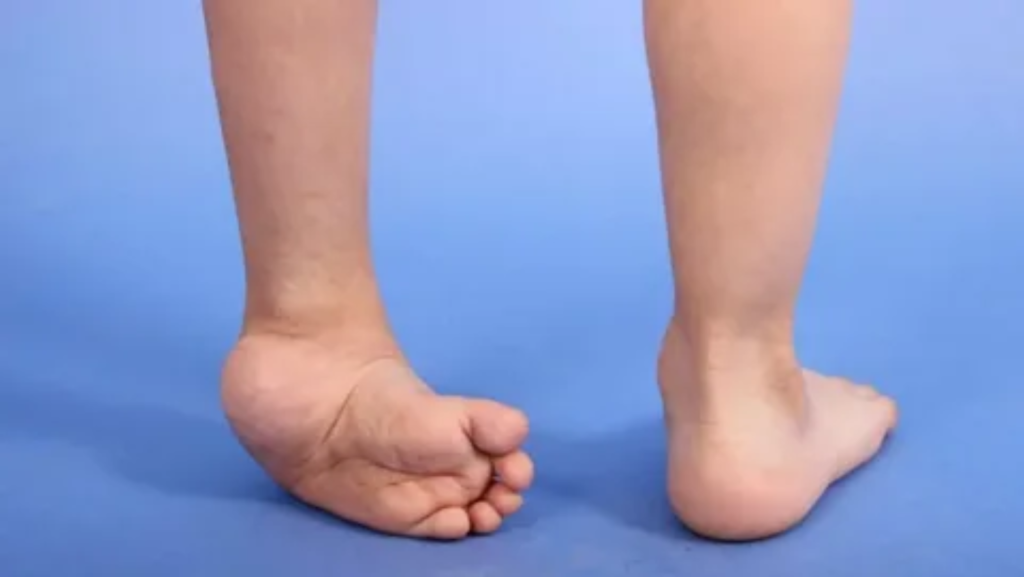
Congenital Talipes Equinovarus (CTEV): Understanding, Diagnosis, and Treatment
Congenital Talipes Equinovarus (CTEV), commonly known as clubfoot, is a birth defect that affects the foot and ankle. This condition is characterized by the inward twisting of the foot, making it appear as if the foot is rotated inwards and down. CTEV is one of the most common congenital anomalies seen in newborns and can affect one or both feet. Early diagnosis and treatment are crucial to prevent long-term mobility issues. If your child is diagnosed with CTEV, consulting a specialized CTEV treatment in Ankleshwar clinic can ensure that they receive the best care possible for a full recovery.
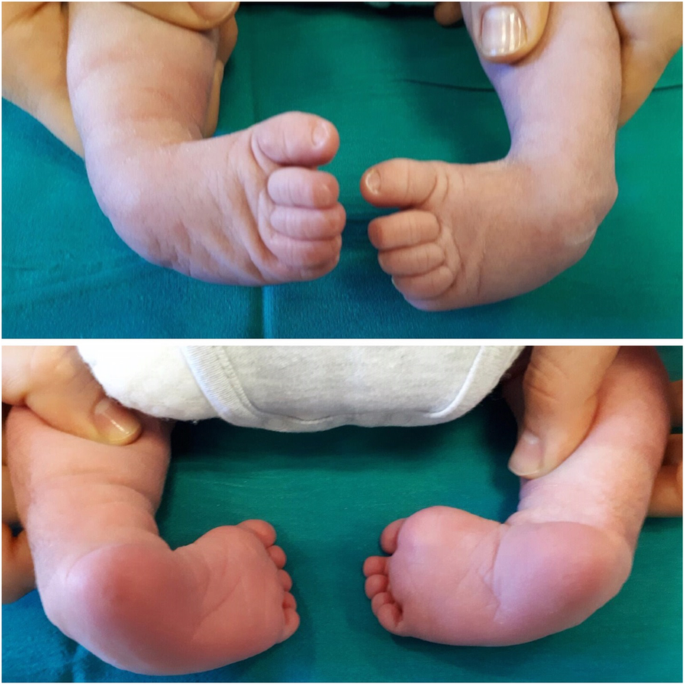
What is CTEV (Congenital Talipes Equinovarus)?
CTEV is a structural deformity of the foot and ankle that is present at birth. The condition causes the foot to be turned inward, with the heel pointing down and the toes pointing up. In severe cases, the foot can be very rigid and difficult to manipulate.
While the exact cause of CTEV is unknown, it is believed to be a combination of genetic and environmental factors. The condition can affect one or both feet and is usually noticeable shortly after birth. Early intervention can help correct the deformity and prevent complications as the child grows.
Causes and Risk Factors of CTEV
Although the exact cause of CTEV is not fully understood, several factors may contribute to the development of the condition:
- Genetic Factors: A family history of clubfoot increases the risk of a child being born with CTEV
- Position in the Womb: The positioning of the baby in the womb may also influence the likelihood of developing CTEV.
- Other Medical Conditions: In some cases, CTEV may occur alongside other congenital conditions, such as spina bifida or muscular dystrophy.
However, in many cases, no specific cause can be identified, and CTEV occurs without any underlying medical conditions.
Diagnosis of CTEV
CTEV is typically diagnosed at birth, as the deformity is visible. In some cases, prenatal ultrasound may help detect clubfoot in the fetus, allowing for early planning of treatment options. After birth, the diagnosis is confirmed through a physical examination by a pediatric orthopedic surgeon or a specialist in congenital disorders.
Treatment for CTEV
The goal of CTEV treatment is to gradually manipulate the foot into its proper position and maintain that position as the child grows. The treatment for CTEV typically involves the following approaches:
- Ponseti Method: This is the most commonly used treatment for CTEV. It involves gentle stretching and manipulation of the foot to correct the deformity. The child may require serial casting (applying a cast every 1-2 weeks) to progressively realign the foot. After casting, a small procedure called a tendon release may be done to correct tight tendons. A brace is then worn to prevent the foot from turning back.
- French Method: This method involves stretching and physiotherapy under the guidance of a trained specialist. While it is effective for some children, it is less commonly used than the Ponseti method.
- Surgery: In severe cases, surgery may be required if non-surgical methods do not yield satisfactory results. Surgical options aim to release tight tendons and ligaments or reposition the bones of the foot
Why Choose CTEV Treatment in Ankleshwar?
Ankleshwar offers access to experienced pediatric orthopedic surgeons who specialize in treating congenital conditions like CTEV. The benefit of receiving CTEV treatment in Ankleshwar is that it combines expert care with the convenience of a local setting, reducing the need for long-distance travel. Early intervention and a structured treatment plan can lead to improved outcomes and a better quality of life for children born with clubfoot.
Conclusion
Congenital Talipes Equinovarus (CTEV) is a treatable condition that requires early intervention and a personalized treatment plan. With the right care, most children with CTEV can lead active, healthy lives without long-term mobility issues. If your child has been diagnosed with CTEV, consider seeking expert CTEV treatment in Ankleshwar for the best possible outcomes. Early treatment and proper management can correct the condition and set your child on the path to a bright future.
Subscribe To Our Newsletter
Mivaan Orthopaedic Hospital, led by the renowned Dr. Parth Rangparia, is a trusted centre for orthopaedic excellence in Ankleshwar.
Our Treatments
Contact Info
- +91 8487069799
- mivaan.ortho@gmail.com
- 3rd floor, hall-2, Venus icon, Kapodra patiya, valia road, ankleshwar, 393002