Hip Replacement Surgery
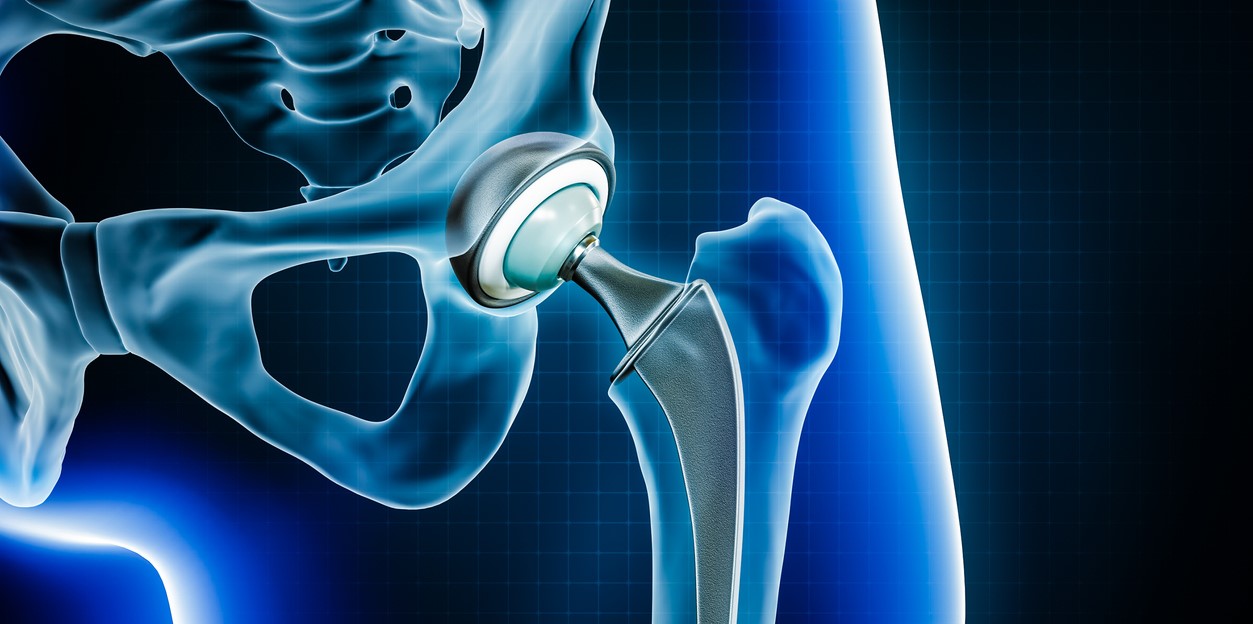
Hip Replacement Surgery: Modern Solutions for Lasting Relief
Hip replacement surgery, also known as total hip arthroplasty, is a proven orthopedic procedure designed to relieve chronic hip pain and improve joint function. It is most commonly performed on patients suffering from severe arthritis, fractures, or other hip-related conditions that limit mobility and affect daily activities. Thanks to advancements in medical technology, particularly robotic navigation assisted hip replacement, patients today have access to safer, more precise surgical outcomes.
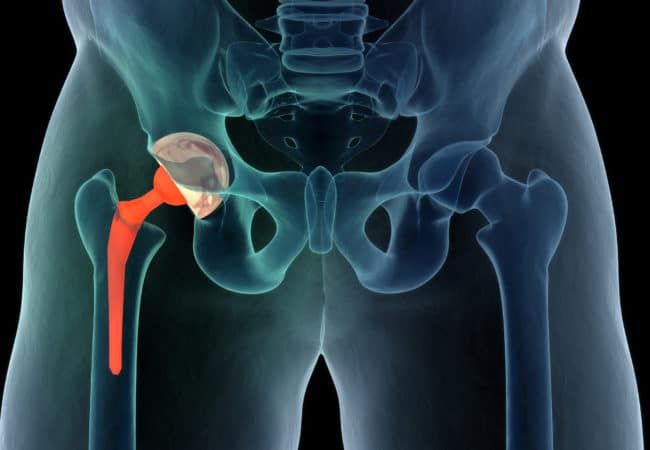
When Is Hip Replacement Surgery Needed?
Hip replacement is usually recommended when conservative treatments—such as medication, physical therapy, and lifestyle modifications—fail to alleviate pain or improve movement. Common conditions that may necessitate hip replacement include:
- Osteoarthritis
- Rheumatoid arthritis
- Post-traumatic arthritis
- Avascular necrosis
- Hip fractures
Advancements in Technology: Robotic Navigation Assisted Hip Replacement
A key innovation in modern orthopedic care is robotic navigation assisted hip replacement. This technique utilizes advanced imaging, 3D planning, and robotic precision to assist surgeons before and during the operation. The robotic system helps create a personalized surgical plan based on the patient’s anatomy, ensuring optimal implant positioning and alignment.
The benefits of robotic-assisted surgery include:
- Enhanced surgical accuracy
- Reduced risk of implant misalignment
- Less soft tissue damage
- Faster recovery and improved long-term outcomes
Hip-Saving Procedures: Early Intervention for Grade 1 & 2 AVN
In the early stages of Avascular Necrosis (AVN) of the hip, particularly Grade 1 and 2, joint-preserving treatments can effectively reduce pain and delay or prevent the need for total hip replacement. One such approach is core decompression, a minimally invasive procedure that relieves pressure within the bone and improves blood flow. When combined with bone marrow injection or tibial grafting, this treatment promotes natural healing and bone regeneration. These hip-saving techniques are ideal for young or active patients seeking to preserve their natural hip joint and maintain mobility
Recovery and Rehabilitation
Recovery after hip replacement surgery varies depending on the type of procedure and the individual’s overall health. Most patients begin walking with assistance within a day or two post-surgery. A structured rehabilitation program, including physical therapy, is essential for regaining strength and mobility.
With robotic navigation assisted hip replacement, many patients experience less postoperative pain, shorter hospital stays, and a quicker return to daily activities.
Final Thoughts
Hip replacement surgery has evolved into a highly effective solution for individuals suffering from debilitating hip conditions. The integration of robotic navigation assisted hip replacement marks a significant step forward in precision medicine, allowing for better surgical outcomes and higher patient satisfaction. If you’re exploring surgical options for hip pain, consider consulting a specialist who offers robotic-assisted techniques for personalized, cutting-edge care.
Subscribe To Our Newsletter

Mivaan Orthopaedic Hospital, led by the renowned Dr. Parth Rangparia, is a trusted centre for orthopaedic excellence in Ankleshwar.
Our Treatments
Contact Info
- +91 8487069799
- mivaan.ortho@gmail.com
- 3rd floor, hall-2, Venus icon, Kapodra patiya, valia road, ankleshwar, 393002