Knee Replacement Surgery
Understanding Knee Replacement Surgery: A Comprehensive Guide
Knee replacement surgery, also known as knee arthroplasty, is a highly effective medical procedure designed to relieve pain and restore function in severely diseased knee joints. Typically recommended for individuals suffering from advanced osteoarthritis, rheumatoid arthritis, or post-traumatic arthritis, this surgery replaces the damaged portions of the knee with artificial implants, helping patients regain mobility and improve their quality of life.
Who Needs Knee Replacement Surgery?
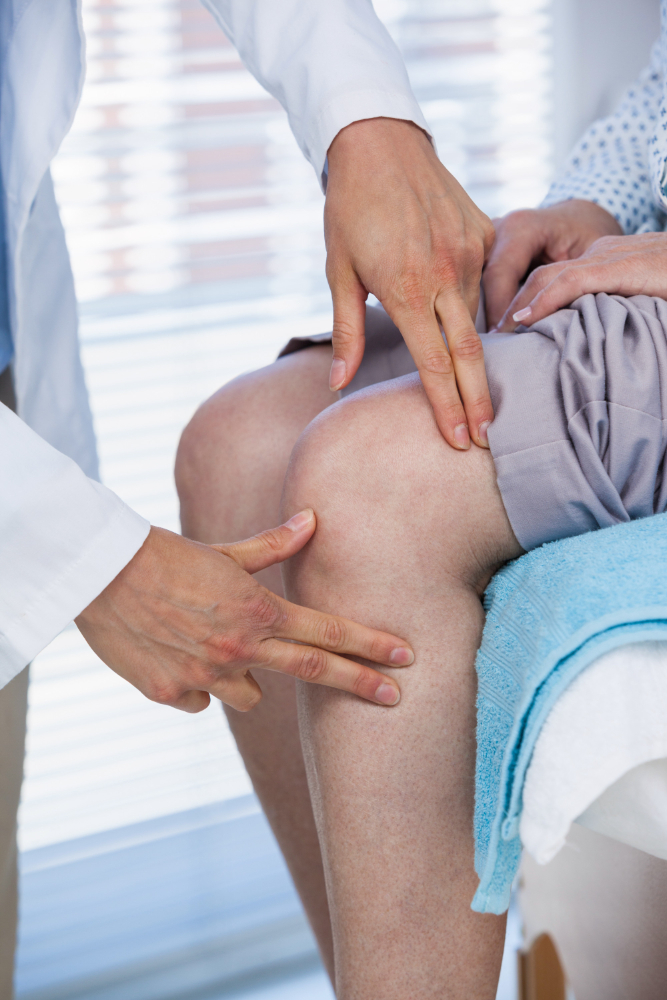
Patients who experience chronic knee pain, stiffness, or swelling that limits their daily activities—despite non-surgical interventions like medications, physical therapy, or injections—are often candidates for knee replacement. The decision to undergo surgery is based on the severity of symptoms, degree of joint damage, and the individual’s overall health and lifestyle needs.
Non-Operative Treatment Options
- Total Knee Replacement (TKR): This is the most common type, where all three compartments of the knee joint are replaced.
- Partial Knee Replacement (PKR): Recommended for patients with damage confined to a specific area of the knee, this procedure is less invasive and preserves more of the natural bone and tissue.
- Unicondylar Knee Replacement (UKR): UKR is performed when arthritis or damage is limited to a single compartment of the knee. It offers quicker recovery, less postoperative pain, and improved knee function while preserving healthy bone and ligaments.
The Role of Technology: Robotic Navigation Assisted Knee Replacement
One of the most exciting advancements in orthopedic surgery is the use of robotic navigation assisted knee replacement. This cutting-edge technology enhances surgical precision, allowing orthopedic surgeons to customize the procedure to each patient’s unique anatomy.
With robotic assistance, surgeons use real-time imaging and computer-guided tools to map the knee in 3D before and during the operation. This ensures accurate alignment and placement of the knee implant, which can lead to improved joint function, reduced risk of complications, and faster recovery times.
Knee-Saving Surgery: High Tibial Osteotomy with Medial Meniscus Root Repair
For younger or active patients suffering from early-stage osteoarthritis or meniscus root tears, knee-saving surgeries like High Tibial Osteotomy (HTO) combined with medial meniscus root repair offer a joint-preserving alternative to knee replacement. HTO works by realigning the knee joint to reduce pressure on the damaged area, while the root repair restores stability and function to the meniscus. Together, these procedures help relieve pain, improve mobility, and extend the natural life of the knee joint—allowing patients to stay active without the need for total knee replacement.
Benefits of Knee Replacement Surgery
- Pain Relief: One of the most significant benefits is the elimination or significant reduction of knee pain.
- Improved Mobility: Most patients experience increased stability and range of motion.
- Enhanced Quality of Life: With reduced discomfort and improved movement, daily activities become more manageable and enjoyable.
- Long-lasting Results: Modern implants can last 15–20 years or more with proper care.
Recovery and Rehabilitation
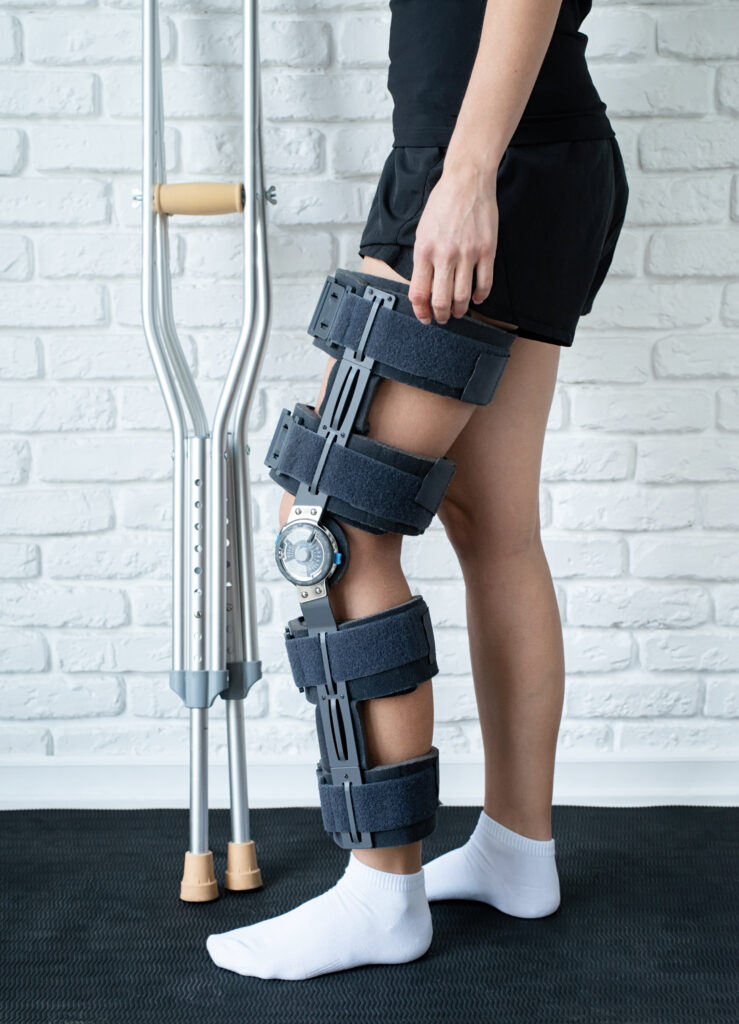
Post-surgery recovery involves a combination of hospital stay, physical therapy, and home care. Most patients begin walking with assistance within a day or two of surgery. Physical therapy plays a crucial role in strengthening the knee and restoring flexibility. Full recovery can take several weeks to months, depending on the individual.
Final Thoughts
Knee replacement surgery is a life-changing procedure for those suffering from debilitating knee conditions. With the integration of robotic navigation assisted knee replacement, patients can expect more precise outcomes and a smoother recovery process. If you’re considering this surgery, consult with an experienced orthopedic surgeon who utilizes advanced robotic techniques for optimal results.
Subscribe To Our Newsletter
Mivaan Orthopaedic Hospital, led by the renowned Dr. Parth Rangparia, is a trusted centre for orthopaedic excellence in Ankleshwar.
Our Treatments
Contact Info
- +91 8487069799
- mivaan.ortho@gmail.com
- 3rd floor, hall-2, Venus icon, Kapodra patiya, valia road, ankleshwar, 393002