Fractures & Injuries (operative & non-operative surgery)
Comprehensive Care for Fractures and Injuries: Non-Operative and Surgical Treatments
Injuries and fractures are among the most common reasons individuals seek orthopedic care. Whether caused by sports accidents, falls, or trauma, timely and effective fractures and injuries treatment is essential to restore function, reduce pain, and prevent long-term complications. Depending on the severity and location of the injury, treatment options may include non-operative care or surgical intervention.
Understanding Fractures and Musculoskeletal Injuries
Fractures are breaks in bones that can range from simple hairline cracks to complex, multi-fragmented breaks. Among the most severe are open fractures, where the broken bone pierces through the skin and is often accompanied by damage to surrounding muscles, ligaments, tendons, and neurovascular structures (nerves and blood vessels). These cases require urgent and specialized care to prevent infection, preserve function, and ensure proper healing. In addition to fractures, common musculoskeletal injuries include dislocations, ligament tears, tendon ruptures, and soft tissue damage.
Non-Operative Treatment Options
Many minor to moderate fractures and injuries can be managed without surgery. Non-operative treatments aim to allow the body’s natural healing process to work effectively while minimizing discomfort and dysfunction. These may include:
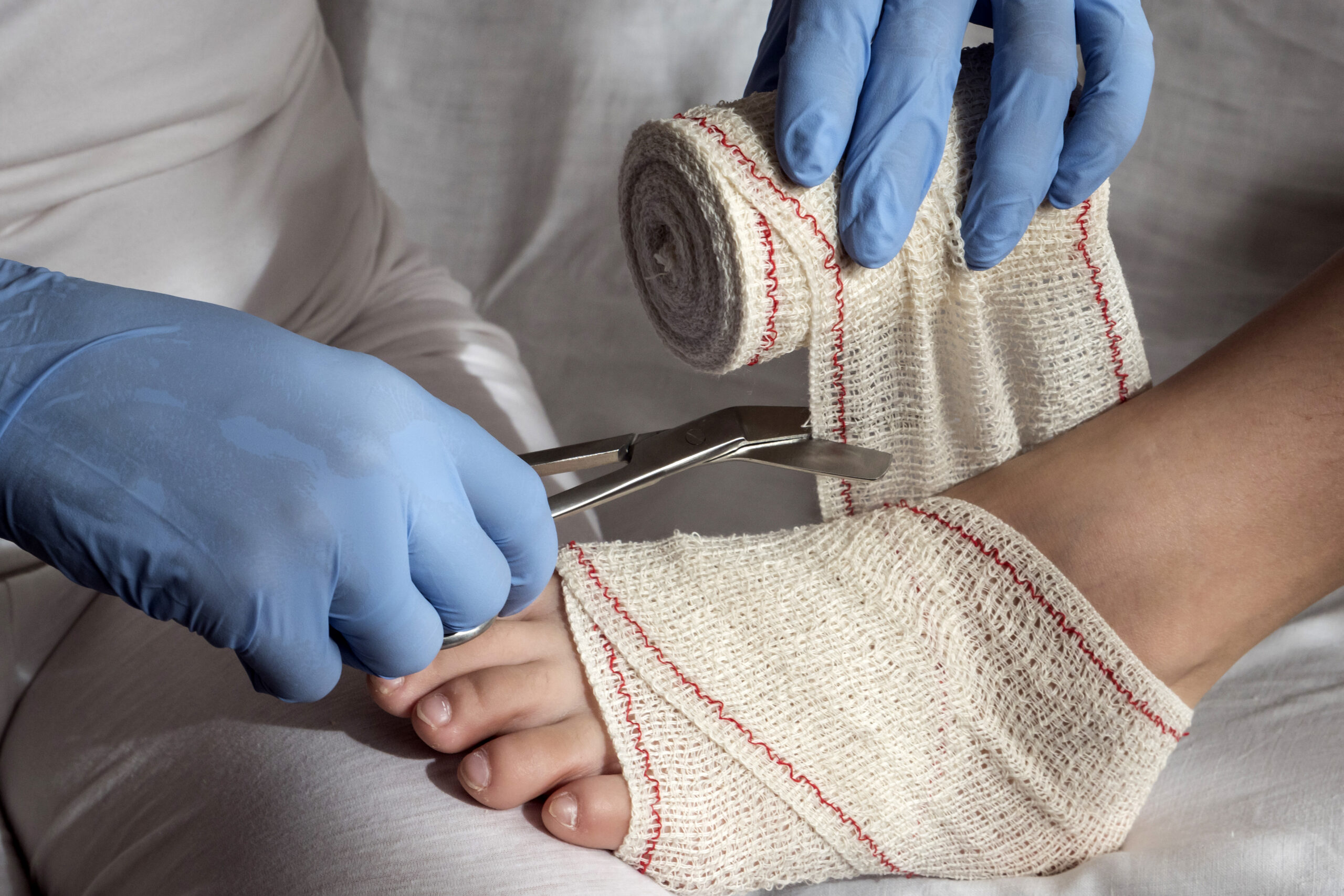
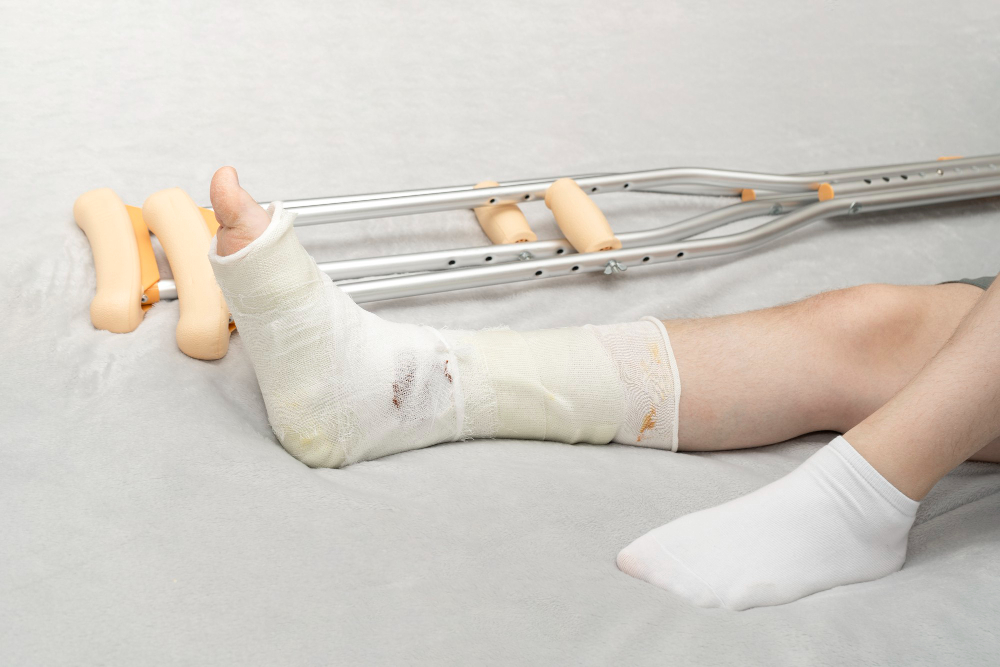
- Immobilization: Using casts, splints, or braces to keep the injured area stable and aligned during healing.
- Pain Management: Medications such as NSAIDs or acetaminophen can reduce pain and inflammation.
- Physical Therapy: A structured rehabilitation program helps restore strength, flexibility, and range of motion once the injury begins to heal.
- Activity Modification: Patients are advised to temporarily avoid activities that could worsen the injury.
Surgical Intervention for Complex Cases
In cases where the injury is severe, displaced, or involves joint surfaces, surgical treatment may be necessary to restore normal alignment and function. Common surgical procedures for fractures and injuries treatment include:
- Open Reduction and Internal Fixation (ORIF): Involves realigning the bone fragments and securing them with plates, screws, or rods.
- External Fixation: A stabilizing frame outside the body used when internal fixation isn't suitable.
- Arthroscopic Surgery: Minimally invasive technique often used for ligament repairs, tendon injuries, or joint damage.
Surgical treatments are carefully planned and often followed by a rehabilitation program to ensure optimal recovery and prevent stiffness or muscle atrophy.
Post-Treatment Recovery and Rehabilitation
Recovery timelines vary depending on the type and severity of the injury, as well as the treatment approach used. Non-operative cases typically heal within a few weeks to a couple of months. Surgical cases may require a longer recovery period but often result in better long-term outcomes for complex injuries.
Rehabilitation plays a critical role in the healing process. Physical therapists guide patients through exercises that gradually rebuild strength, improve mobility, and restore function.
Conclusion :
Whether managed conservatively or surgically, effective fractures and injuries treatment ensures a safe and complete recovery. With modern orthopedic advancements and personalized care plans, patients can return to their daily activities with confidence. If you or a loved one is dealing with a musculoskeletal injury, consult an experienced orthopedic specialist to explore the best treatment options for your situation.
Subscribe To Our Newsletter
Mivaan Orthopaedic Hospital, led by the renowned Dr. Parth Rangparia, is a trusted centre for orthopaedic excellence in Ankleshwar.
Our Treatments
Contact Info
- +91 8487069799
- mivaan.ortho@gmail.com
- 3rd floor, hall-2, Venus icon, Kapodra patiya, valia road, ankleshwar, 393002